
This is a tough one to write. One of hallmarks of high quality journalism is its impartiality – letting the reader/listener/viewer make their own judgments based on the hard facts presented. I find this somewhere between difficult and impossible when I encounter grave social injustice (which was most of the time in the role I have just vacated). So, I’m sorry. If you were after an objective, finely balanced article, look away now.
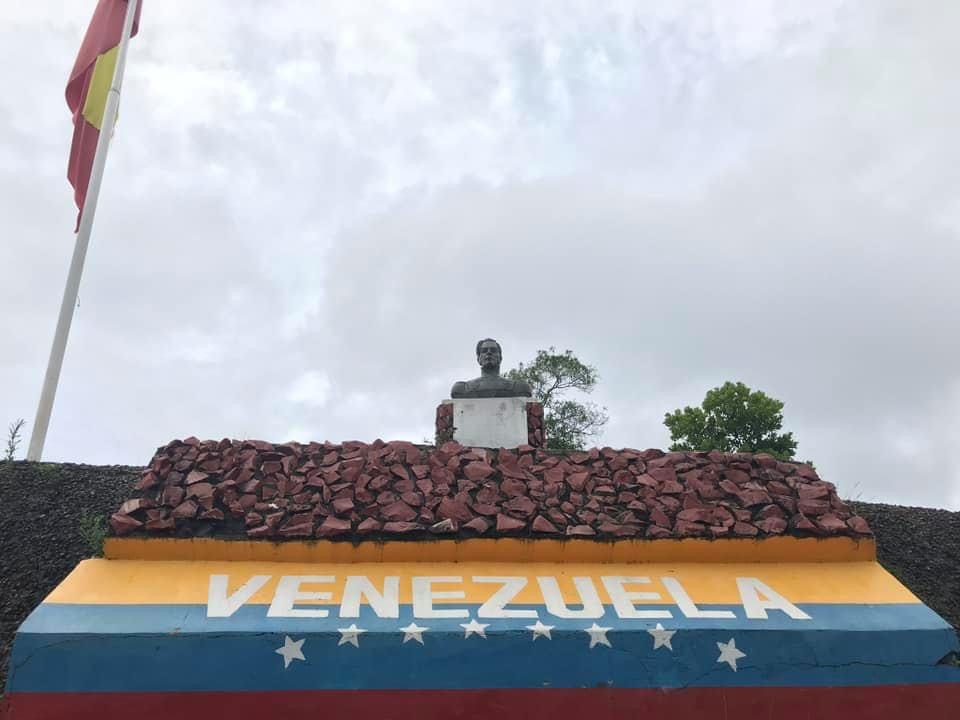
My view of Venezuela (formed substantially from the experiences described by the Venezuelan refugees I met in 2019, as we spent less than 10 minutes on the Venezuelan side of the border) is coloured. Partisan. Biased. Angry.
Shaped by the experiences of people like Stefanie and Pedro, who we chanced upon along the only road from Venezuela into Boa Vista, Brazil. We had spent the day filming at the border, with incredible access granted to us by the military, United Nations departments and border police. We’d even had a soldier allocated to carry our kit around for us, and had a delicious lunch in the officers’ mess in the presence of two Army generals. Not so for Stefanie and Pedro, who were walking through the Amazonian rainforest with their young family – at least one of whom had a physical disability making this even harder than otherwise.
So we broke the rules. We were supposed to be observers. But we just about had space in the van. We had spare food and water. And we could keep them safe from the dangers that would present as night fell. Wild animals. Dangerous traffic. Human traffickers. To name a few.
But there were ethical issues too. There were checkpoints between here and Boa Vista. What if we got stopped? And what of the film we were making? We couldn’t make the rescue contingent on their participation, or suggest that there was any compulsion in their taking part. I decided we should go minimal with the filming until we had established a relationship with them. At the moment, they were relieved but exhausted, and possibly even in shock. Not a good time to be asking people to sign consent forms.
As the week proceeded, we were able to discreetly film more of the process that Stefanie and Pedro had to undertake as newly-arrived refugees. But it wasn’t until our last day in town that they were in sufficiently good headspace to approach about filming approval. Fortunately, they invited us to the Dia das Crianças (Children’s Day) celebrations being held at their new home, specially geared up for children with disabilities and found for them by Salvation Arny staff. The verdict, mercifully, was that they were very happy for their story to be told.
Then there was Carlos, a film maker we met in one of the refugee camps supported by the Salvation Army. My age, my career, similar family situation. Or Yulimar, a TV technical operator from Caracas, who had been separated from her husband in the chaos and uncertainty of fleeing the country. Nurses. Teachers. Social workers. A perfumier. The more people we spoke to, the more apparent how terribly wrong things had gone in Venezuela. Large sections of the economy and infrastructure not just broken, but not even there any more.
And yet, hope. Most strikingly, the Brazilian military had branded their response Operation Welcome. Refugee camps are never going to be a first choice for accommodation, but the handful we visited (of eleven in Boa Vista alone) were well run, clean and tidy, with enrichment activities available. One tent-within-a-tent we were enthusiastically welcomed into had a picture on the wall that had clearly been salvaged during a hasty exit from a cherished home. ‘God is love’, it proclaimed. And it wasn’t just wishful thinking to its owners who spoke eloquently about the new opportunities being in Brazil offered.
It was a privilege to meet and listen to so many Venezuelans from different walks of life, and to give them a voice in a world that has not treated them well. While there was pain and sadness, there was no bitterness. I wonder if I would conduct myself so well had the boot been on the other foot?
Our film can be watched here:
 David Giles Communications