International Charities: Can I help you?

Standard

With 25 years of experience in the charity communications sector, I can make your good cause come alive and attract new donors. Whether through persuasive copywriting for social media or supporter materials, or thought-provoking long-form content for magazines and op-eds, I choose the right word for the right audience at the right moment.

I’m also skilled in photography, videography and editing, as well as directing/vision mixing major live multi-camera events. Working cross-platform is efficient and economic, providing opportunities to tailor content for different audiences at a fraction of the cost of using separate suppliers.

I’ve previously worked as Communications Manager for The Salvation Army’s International Headquarters and as Head of Communications for International Needs UK, and now work as a freelance communications consultant and creator.
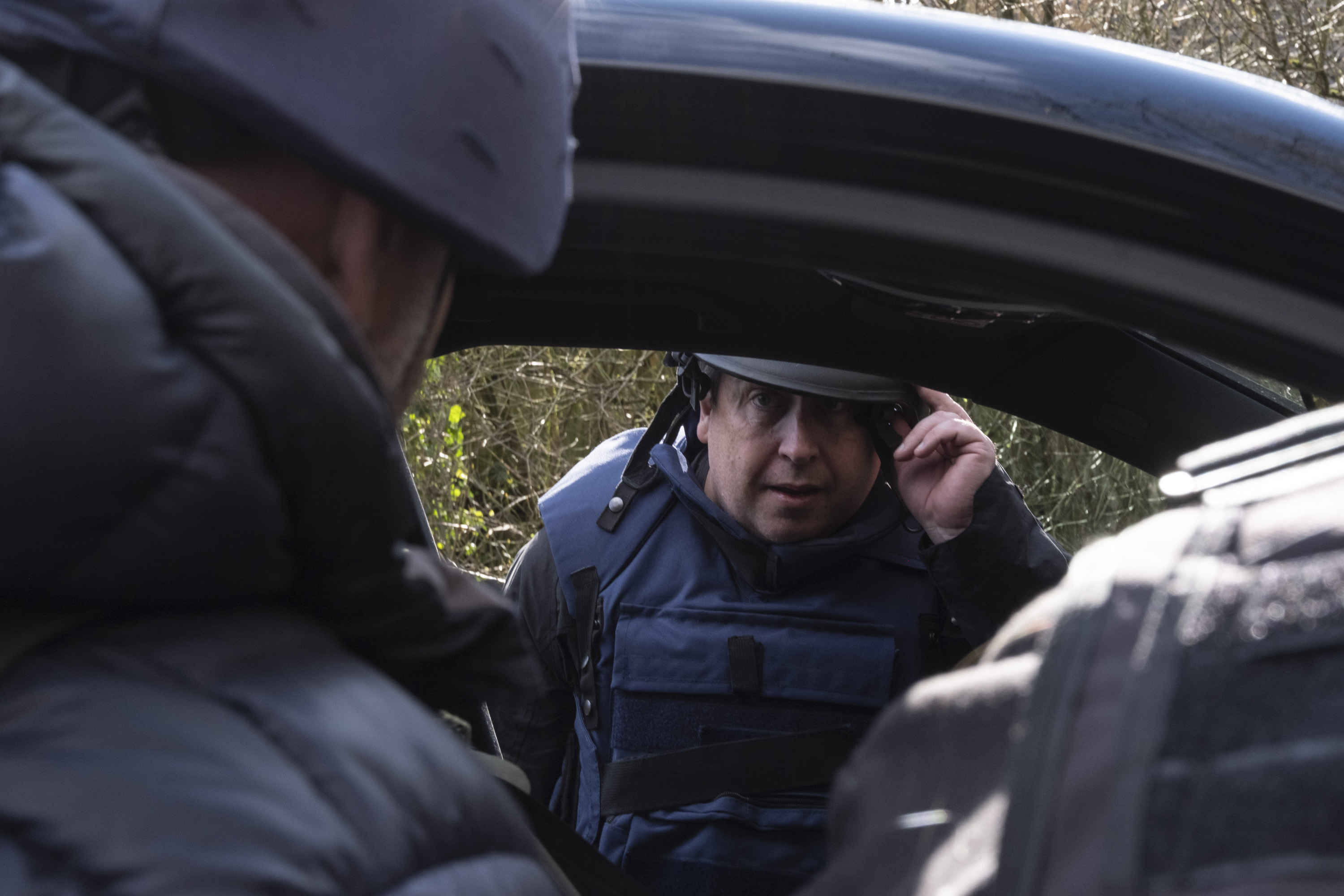
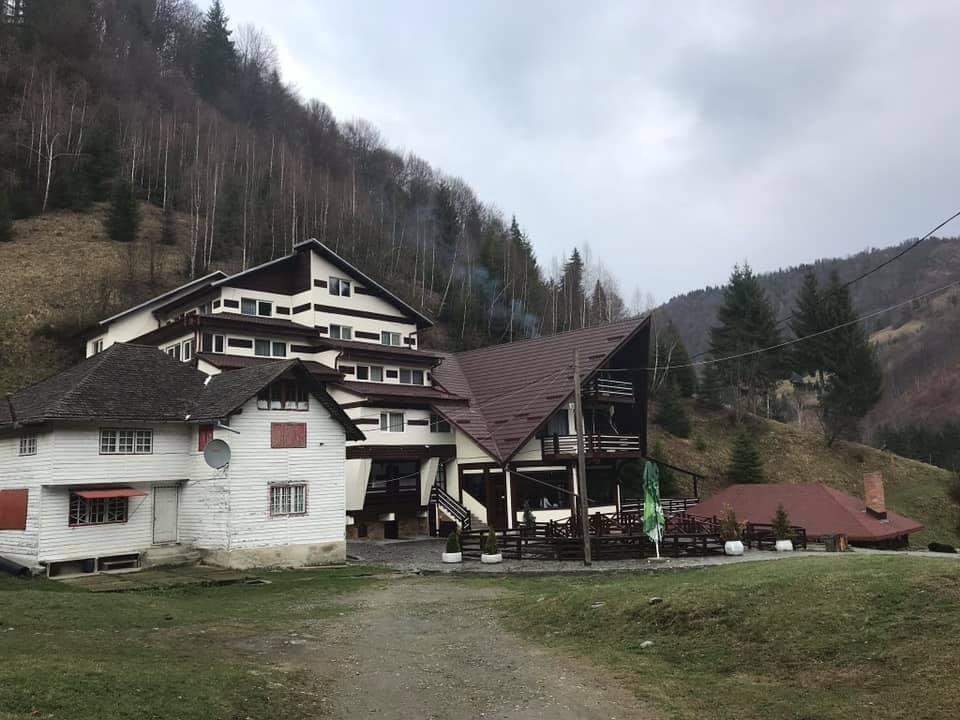
I am hostile-environments trained (HEFAT), and have experience as a fully-trained disaster responder, having served with Samaritan’s Purse in Ukraine (2022), Mexico (2023-4) and Myanmar (2025). I have travelled widely to find and tell stories of transformation, including those of young men escaping addictions to glue and drugs in the slums of Kenya, the positive effect of community Water, Sanitation and Hygiene programmes in both Uganda and Sri Lanka, and the importance of a kindergarten-based trauma care programme helping the Ukrainian diaspora in a small Romanian town (all with International Needs).

Let’s talk about how I can help your charity achieve its goals through targeted, well-produced campaign materials, with a favourable cost:benefit ratio. Drop me a line at david@davidpgiles.co.uk, or find me on LinkedIn. I look forward to working with you!
Z is for Zambia

Standard

Z is for Zambia.

I was invited to Zambia by Clayford MC, the Communications Secretary for The Salvation Army in Zambia, during the inaugural Africa Communications Network that I had organised in May 2018. It fitted rather well with my plans, and coincided with Mother’s Day, for which I still needed some social media collateral.

I’d experienced Danish Jul, Mexican Day of the Dead and Brazilian Children’s Day, but Zambian Mother’s Day was a new cultural experience for me. After the japery in Zimbabwe that led to the consumption of crickets and worms, to the hilarity of the women who’d engineered the ‘hoodwink the foreigners’ wheeze, I was slightly on guard.

But first, as with all things African, tea and a chat. Firstly with Pam Sims Shiri, who I worked with previously in London. It was good to say hello and reconnect in her home, with husband Henry and children. And the tea, as ever, was fabulous.

Then, Clayford unveiled The Plan. Why do Mother’s Day once, when you can do it three times? We’d be going to three different Salvation Army churches, as they were all doing something a bit different. And so our church crawl began.

Unsurprisingly, food was fundamental to the first place of worship’s endeavours. On arrival, I encountered a group of slightly uneasy-looking men gathered around some cooking apparatus outside the church hall. They were going to create a repast for the womenfolk if it killed them!

Flowers and artwork were the hallmarks of the next corps’ efforts, and very beautiful it all looked too. The music was also floating tunefully in the air, and if I’d shut my eyes I could have been in a Welsh chapel, were it not for the circada drone – an ever-present chirrup.

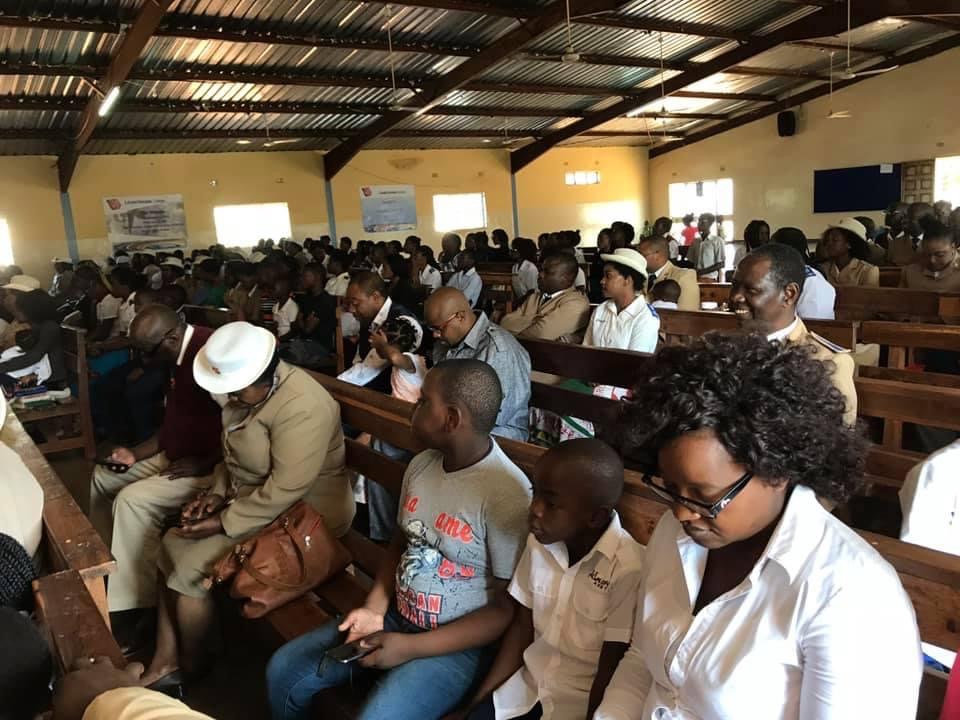
To our third church, a little further out, and in full flow by the time we got there. This was a huge gathering, and it was striking just how inclusive they were being in honouring all women – not just the mothers. Small gifts were bestowed, women who had made particular achievements within the church were recognised, and all ages were represented enthusiastically and authentically. There was superb African drumming and dancing, all creating a worshipful atmosphere that unforgettable and deeply moving.

What was most touching, however, was the enrolment of a good number of ‘junior soldiers’ – a very Salvation Army way of empowering younger members of the church who wanted to publicly acknowledge accepting Jesus into their lives. Smartly turned out, these children and young people were treated as heroes in their ten minutes of fame, and it was very clear that they would be supported in their fledgling Christian faith not just by their own families, but by the wider church community. Their mothers would be proud!

It’s a fitting way to close this retrospective series, the future seeming bright. Apologies to all those who have supported me along the way but whom I’ve not mentioned in these missives. Your contribution is no less valued. And thanks for sticking with me through to Z – I hope it’s been an interesting glimpse of some of the mischief I’ve been up to, cathartic as it has been for me. 

And if, as a result, you’d like to give me some work… let’s talk! (Or at least endorse one or more of my attributes at https://www.linkedin.com/in/dpgiles)

Y is for YYZ

Standard

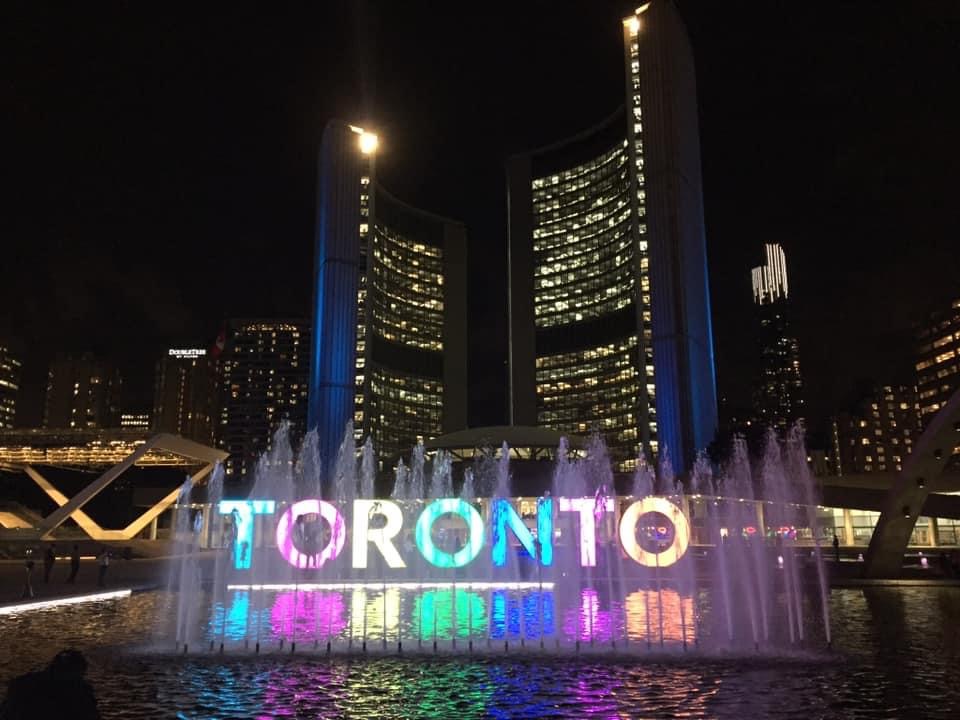
Yep, that’s the IATA code for Toronto Pearson Airport. I realise I am cheating. Despite wracking my brains since A, I’ve failed dismally to come up with a suitable Y. I have friends in Yangon, but have never visited. I’ve reported on events in Yogyakarta from afar. And I’ve been to York, Yarmouth and Yeovil, but not in connection with any Salvation Army business, so I’ve ruled then out for this retrospective. Strictly speaking, I’ve not worked at or for The Salvation Army in Canada either (though never say never!) but I promise we’ll be back with aplomb to round this series off with a decent Z tomorrow.

So, YYZ it is then. Mark, The Salvation Army’s in-house travel manager was excellent at sniffing out the best possible airline tickets. And when I was asked to attend a conference in New York which finished with breakfast on Friday, he was keen to help me out with extending my stay into the weekend if this could be done at no cost to the Army. We established that returning from Toronto was the same price as from JFK, so a quick foray to Canada was agreed.

I was only too pleased to book a ticket on the Maple Leaf, Amtrak’s daily train from New York to Toronto. But then, where to stay?

This is where I can bring today’s missive back on track, as it were. As I’ve mentioned at various times, a large proportion of people I have encountered in and through my work have been among the most welcoming and generous I’ve met. I have sipped tea in a tin-hut church on a Darjeeling plantation and in a friend’s house in Lusaka. I’ve enjoyed meals and sparkling conversation in homes and local restaurants on every continent. And I’ve lost count of the times that people have very generously offered accommodation or personal tour guide facilities ‘when you’re in town…’

Former IHQ Communications boss John Murray was one so minded to offer such hospitality, and so I took him up on it. As it happened, John and his wife Brenda were due to fly out of YYZ themselves on the Saturday, but such was their kindness that they offered me the keys to their house! (And, indeed, fridge!)

That was not before, however, picking me up from Toronto Union station and ensuring that I had a thorough orientation of downtown Toronto, including mandatory stops at Tim Horton’s and the national hockey Hall of Fame. The Murrays’ infectious enthusiasm for their home city was just the tonic for a cracking weekend. They also showed me around The Salvation Army’s Canada & Bermuda HQ before settling me in to their comfortable home with a great meal and convivial conversation.

And so followed a weekend of pure tourism, with a supremely convenient base a few minutes’ stroll from a subway station. CN Tower, national railway museum, bacon sandwich at St Lawrence Market and beavertails on Toronto Island, that kind of thing. The weather was glorious throughout.

But one personal highlight was to have breakfast at the Royal York Hotel, a grand old establishment facing the city’s railway station. This had significance beyond the burgeoning buffet tables full of pastries, eggs and waffles. My maternal grandfather had worked here 70(?) years previous, and it was like a portal back in time. It was very easy to imagine him walking through the chandeliered halls, greeting customers and showing them to their seats. His modern day counterpart was really interested to hear of my tangential family connection, and brought me a free mimosa to mark the occasion. Truly memorable.

So Y is really for You. Thank you for your hospitality, cooperation in my hare-brained schemes and trust in sharing your stories with me.

X is for Xochimilco

Standard

UNESCO World Heritage Site Xochimilco, that is. Here’s what Lonely Planet has to say about it:

‘Almost at the southern edge [of Mexico City], a network of canals flanked by gardens is a vivid reminder of the city’s pre-Hispanic legacy. Remnants of the chinampas (raised fertile land where indigenous inhabitants grew their food), these ‘floating gardens’ are still in use today. Gliding along the canals in a fancifully decorated trajinera (gondola) is an alternately tranquil and festive experience. On weekends a fiesta atmosphere takes over as the waterways become jammed with boats carrying groups of families and friends. Local vendors and musicians hover alongside the partygoers, serving food and drink.’

Sounds good, doesn’t it? Well, I had 24 hours in Mexico City between arriving from an Internet Governance Forum in Guadalajara and my flight back to London. Take off sleeping time, three hour check-in time, and filming at The Salvation Army’s Mexico City Central corps at 9:30am on Sunday morning.

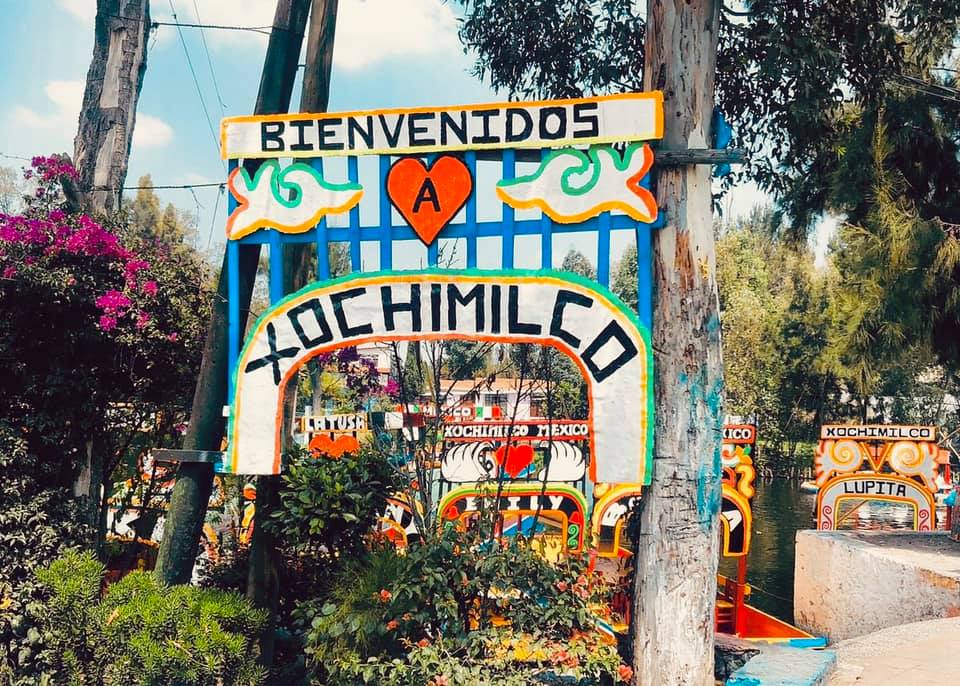
Arriving when it was already dark left only one sensible option, and that was an early start. Before it was even light, I set off for the metro station. It was just being unshuttered as I arrived there, so once I’d negotiated the ticket machine I bundled on to the first train south. But as I pulled in to the interchange station – disaster – the Xochimilco line was not operating. There was a bus replacement, and I could not discern how much longer this would add to my necessarily short journey. Given the immovable 9:30am deadline, I cut my losses and got no further than a sign proclaiming how welcoming Xochimilco was. I suppose, technically, I did make it there, in the same way that Ryanair serves ‘London’.

The rest of the day, thankfully, proceeded more smoothly. I did manage half an hour of Aztec exploration in Mexico City’s historic centre before getting to church on time. There, I had the great joy of meeting Miguel Rodriguez, the emergency/disaster response coordinator, who I had only met by email and Skype – once rearranging his office to ensure the shot was well branded for a live interview with Sky News!

The Mexico team were very welcoming, despite the brevity and specific requirements of my visit. After church and the filming undertakings (for a forthcoming ‘Christmas around the world’ compilation) were finished, they took me to see one of their projects serving homeless people. And it was all rounded off with a memorable meal of mole at a local restaurant. I may have missed out on Xochimilco, but this lunch was so good that it lingers in my consciousness – a perfect blend of spicy, chocolatey chicken with the best rice I have ever eaten.

Replete, Miguel returned me to the hotel where, miraculously, there was even an hour to relax by the pool before the long flight home. And, it was one of those rare occasions where, on boarding, the air crew invited me to turn left rather than right, for an overnight flight spent unexpectedly but gloriously horizontal. Bliss!

V is for Venezuela

Standard

This is a tough one to write. One of hallmarks of high quality journalism is its impartiality – letting the reader/listener/viewer make their own judgments based on the hard facts presented. I find this somewhere between difficult and impossible when I encounter grave social injustice (which was most of the time in the role I have just vacated). So, I’m sorry. If you were after an objective, finely balanced article, look away now.

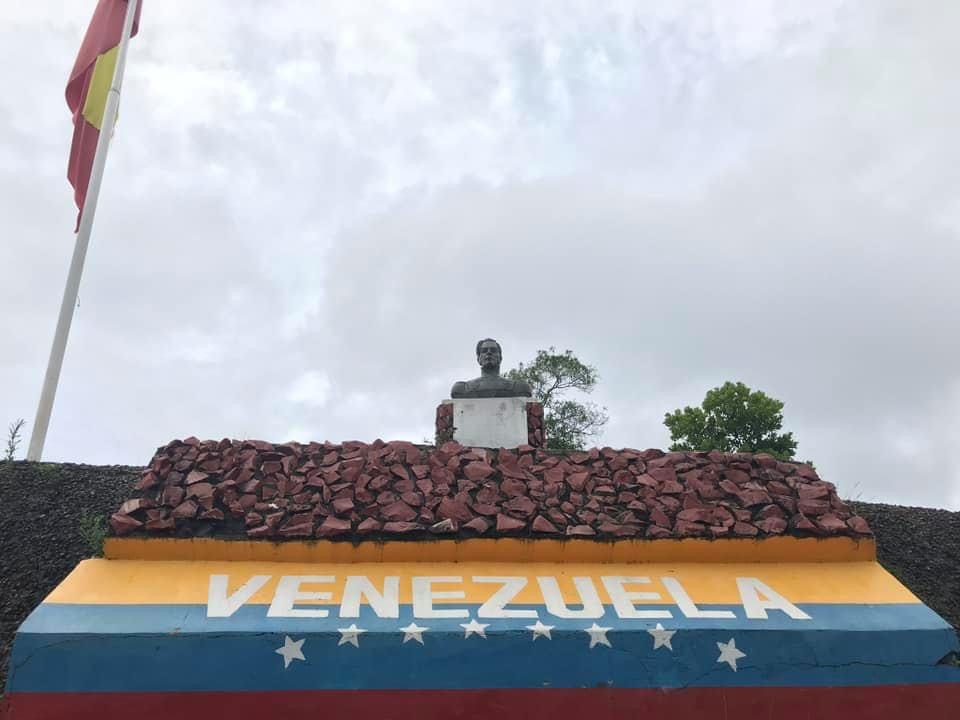
My view of Venezuela (formed substantially from the experiences described by the Venezuelan refugees I met in 2019, as we spent less than 10 minutes on the Venezuelan side of the border) is coloured. Partisan. Biased. Angry.

Shaped by the experiences of people like Stefanie and Pedro, who we chanced upon along the only road from Venezuela into Boa Vista, Brazil. We had spent the day filming at the border, with incredible access granted to us by the military, United Nations departments and border police. We’d even had a soldier allocated to carry our kit around for us, and had a delicious lunch in the officers’ mess in the presence of two Army generals. Not so for Stefanie and Pedro, who were walking through the Amazonian rainforest with their young family – at least one of whom had a physical disability making this even harder than otherwise.

So we broke the rules. We were supposed to be observers. But we just about had space in the van. We had spare food and water. And we could keep them safe from the dangers that would present as night fell. Wild animals. Dangerous traffic. Human traffickers. To name a few.

But there were ethical issues too. There were checkpoints between here and Boa Vista. What if we got stopped? And what of the film we were making? We couldn’t make the rescue contingent on their participation, or suggest that there was any compulsion in their taking part. I decided we should go minimal with the filming until we had established a relationship with them. At the moment, they were relieved but exhausted, and possibly even in shock. Not a good time to be asking people to sign consent forms.

As the week proceeded, we were able to discreetly film more of the process that Stefanie and Pedro had to undertake as newly-arrived refugees. But it wasn’t until our last day in town that they were in sufficiently good headspace to approach about filming approval. Fortunately, they invited us to the Dia das Crianças (Children’s Day) celebrations being held at their new home, specially geared up for children with disabilities and found for them by Salvation Arny staff. The verdict, mercifully, was that they were very happy for their story to be told.

Then there was Carlos, a film maker we met in one of the refugee camps supported by the Salvation Army. My age, my career, similar family situation. Or Yulimar, a TV technical operator from Caracas, who had been separated from her husband in the chaos and uncertainty of fleeing the country. Nurses. Teachers. Social workers. A perfumier. The more people we spoke to, the more apparent how terribly wrong things had gone in Venezuela. Large sections of the economy and infrastructure not just broken, but not even there any more.

And yet, hope. Most strikingly, the Brazilian military had branded their response Operation Welcome. Refugee camps are never going to be a first choice for accommodation, but the handful we visited (of eleven in Boa Vista alone) were well run, clean and tidy, with enrichment activities available. One tent-within-a-tent we were enthusiastically welcomed into had a picture on the wall that had clearly been salvaged during a hasty exit from a cherished home. ‘God is love’, it proclaimed. And it wasn’t just wishful thinking to its owners who spoke eloquently about the new opportunities being in Brazil offered.

It was a privilege to meet and listen to so many Venezuelans from different walks of life, and to give them a voice in a world that has not treated them well. While there was pain and sadness, there was no bitterness. I wonder if I would conduct myself so well had the boot been on the other foot?

Our film can be watched here:

www.salvationarmy.org/ihq/displaced

U is for United States of America

Standard

I realise I’ve already covered New Yoik, but there are several disaster movies left in me. So from the Republic of Georgia yesterday, let me transport you to Atlanta, Georgia, in the company of the Salvation Army General of the time, André Cox.

The mission was to film a General’s-eye view of one of his international visits to rally the troops, as it were. This was supposed to be a straightforward visit – a few public meetings, a retirement to commemorate, a little meeting and greeting. And, as we waltzed through Heathrow Airport, all seemed well.

One transatlantic flight later, and the weather had turned quite dramatically bad. Particularly in Texas, where a major hurricane had changed course to smash the coastline. The Salvation Army’s emergency disaster services team – based in Atlanta – were responding with scores of mobile canteens to feed people displaced from their homes.

And with the weather forecast indicating that things were going to get much, much worse, plans had to be changed. The General was to go to Texas instead, to encourage the emergency responders. The public meetings in Atlanta were scaled back as few people from outside the city would be able to make the journey safely. The International Headquarters team would be unable to travel with the General due to the non-availability of flights. So we remained in Atlanta to support the team there (expertly led by Christopher Priest) while the Texas divisional media team would do their best to capture the General’s activities further south.

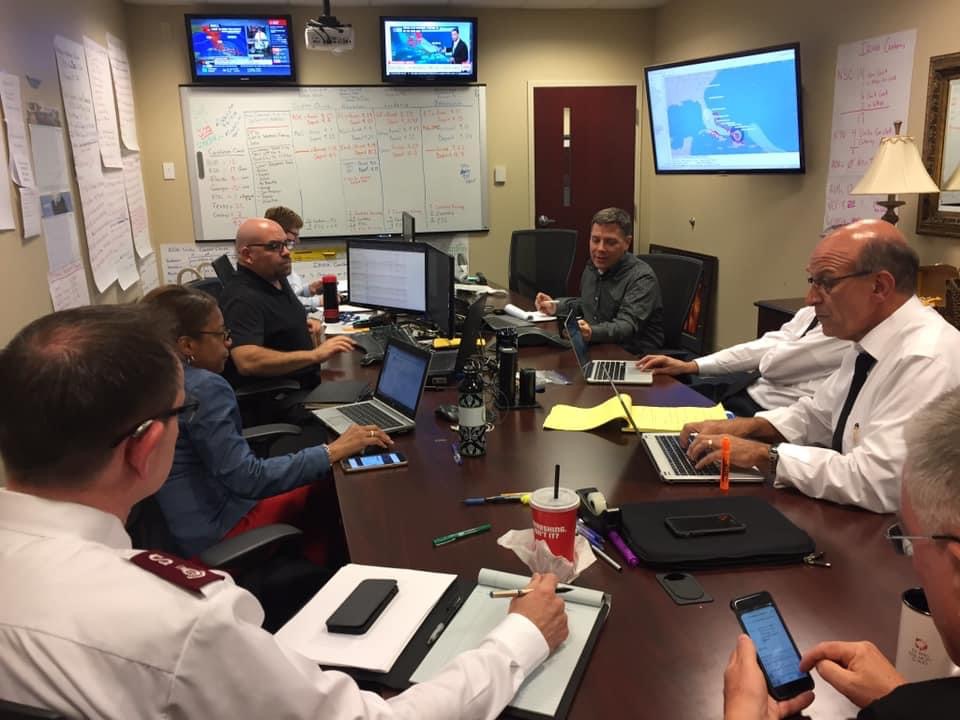
I divided my time between the emergency services command room (where Jeff Jellets was coordinating his highly experienced team devise the logistics of an increasingly large and complicated response) and help with the live streamed meetings that were still a pivotal part of the weekend. I found myself on camera 4 for the live event, with Gaz looking after broadcast sound. And the time spent in the emergency response hub was invaluable, given that Hurricanes Harvey and Irma were by then of international significance. I was able to feed international news releases back to London much more quickly than had been the norm, and it improved communications in the months and years subsequent.

The following day, with the General back in Atlanta, we were able to pick up a few of the aspects we’d originally envisaged, but now took on new relevance – such as a visit to the emergency response command room, where the dedicated staff were quite rightly applauded for their efforts.

But a further change of wind direction, and Atlanta itself found itself in the eye of the storm as the hurricane veered directly through the city. The Salvation Army’s facilities here were designed to be resilient, but it meant the office was closed to all but essential staff. In fact, the whole city was closed down – even McDonald’s and the Waffle House. It was a very fierce storm for a short while, though I was surprised by just how quickly the strong winds subsided.

The first time I visited the US was also ostensibly for an emergency services conference, though with a number of seminars attached to it that required live blogging. This event took place in Orlando, and I couldn’t resist staying on for the weekend so that I could take the train down to Miami. This too was hampered by extreme weather – the train was five hours late due to a tornado. An excuse that South Western Railway hasn’t yet deployed.

And a business meeting with Salvation Army development colleagues in Washington DC coincided with a government shutdown and a group of us nearly being arrested outside the White House. But, alas, we’re out of space for that one…

T is for Tbilisi

Standard

The boss du jour wasn’t overly thrilled that Gaz, Joe and I had been invited to make a film about The Salvation Army’s work in the Republic of Georgia. Nor was he overjoyed that it had all been agreed before his arrival in the department. I think the reality was that he was miffed he hadn’t been invited and would have to hold the fort back in the UK. He therefore wanted every nanosecond of the visit to be fully accounted for, and for a detailed storyboard of the film to be prepared before getting on the plane.

I’m not averse to putting together a storyboard in the right context, but my experience from previous forays suggested this would be an unwise course of action. So, after a few unsuccessful attempts at describing the folly, I agreed to create the document if I could be released for a recce visit prior to filming. That was declined as anticipated, so I put a few paragraphs of explanation together about likely topics in each location, and the itinerary which had been constructed by Ray and Carelle, the regional leaders in Georgia.

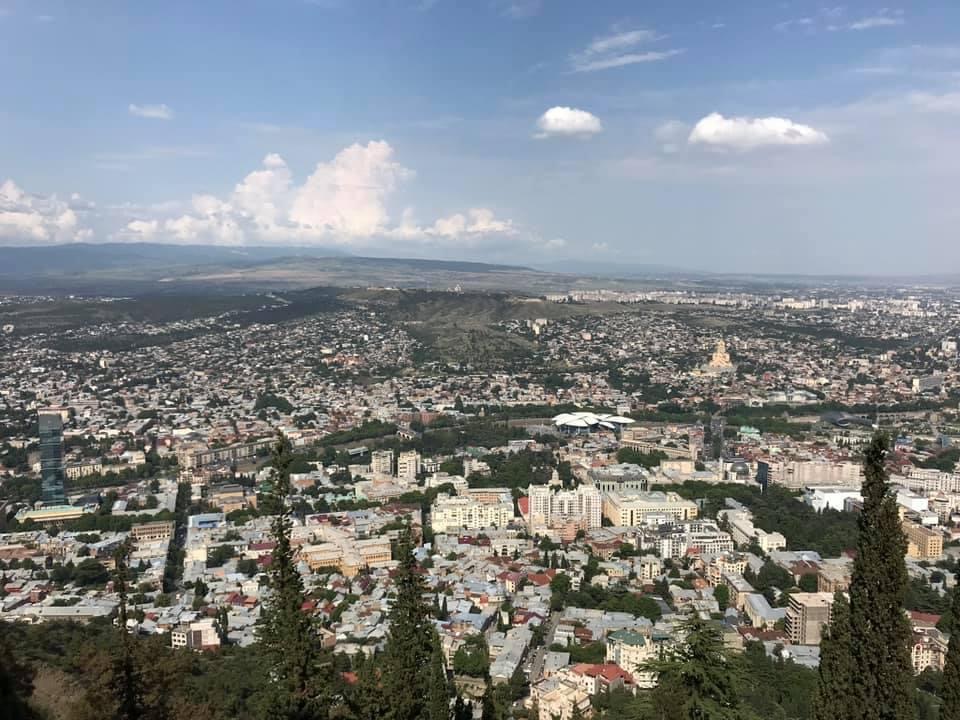
And so to Tbilisi. The crossroads of Europe and Asia, a major city on the Silk Road and capital of a country that (apart from a few high profile terrorist incidents) I really knew nothing about. The regional leaders had shown great wisdom in devising an ambitious but achievable schedule which began with a barbecue beside a lake. Boss du jour had muttered unfavourably about this, declaring that such jollity should be ‘in your own time’. But being able to meet the team members in a relaxed social setting before dashing around the country with lights and cameras proved to be an ideal starting point for the project. We now knew who was who, they understood who we were and what we hoped to achieve, and we were able to jot down some story ideas we could follow up during the week. And culturally, eating together, splashing around in the water and trying to retain some dignity while joining in with the volleyball was precisely the right thing to do. Also, there were hammocks!

Even after this getting-to-know-you session, there would still be surprises though. The biggest of these was while filming at one of the corps (churches) in central Tbilisi a few days later. Major Ray suggested that it might be worthwhile sitting down to do a longer-form interview with Temo Galustian, the leader there. In truth, I did think twice about this, as we already had plenty of footage and we were running a little late. But I also trusted Ray’s judgment, having worked with him previously.

So we found a quietish bench outside, set up the kit with Gaz and Joe filming and me taking the role of interviewer. Over the next few minutes came some of the most powerful TV we’ve created. Temo shared his testimony of being in the wrong crowd while growing up in a rough part of Tbilisi. A story of crime, taunting the police, gang culture and eventual incarceration – at one point in the same prison as his dad. But then the redemption arc – forgiveness, acceptance, the love of God (and the love of a caring Christian woman who became his wife and co-leader in the church). And, to bring the piece full circle, the commencement of prison visitation ministry. Prisoner turned prison chaplain.

I just hoped that the story would work just as powerfully on screen as it had affected me in person. We shot some extra footage, including of Temo’s Salvation Army tattoo, which covers up a former gang identification mark in the same place.

This could not have been storyboarded. Temo had not told his story in full like this before, it wouldn’t have worked nearly so well as a small part of the overall documentary – it needed time and space and sensitivity. I’m also convinced that the time spent at the lakeside together without knowing the first thing about Temo’s background really helped – I would probably have subconsciously treated the subject differently had I come to it without first having got to know Temo as a man.

Thanks Temo for sharing your story and being the faithful man of God you are. And thank you Ray and Carelle for the way you helped create that spirit of openness and sharing. (And also thank you to Rezo, who drove us about a million miles in a van with rapidly deteriorating aircon, always with a smile.)

S is for San José (the Costa Rican one)

Standard

In late 2016, I was invited to deliver some website training to the staff of The Salvation Army’s Latin America North Territory, at their San José HQ. This territory covers 10 countries in the vicinity, so they wanted to ensure their website reflected the geographic and cultural diversity.

As ever, I was well looked after (particular thanks to Susan Pessoa) and treated to some delicious Tico meals. Today, though, I wanted to focus on the city itself, and its surroundings.

The top draw for me, being something of a rail enthusiast, was that the hotel I’d been booked in to (and I promise I hadn’t engineered this!) fronted directly on to the railway track. I don’t mean ‘close to a station’ or ‘near the line’. The front door opened straight on to the track and trains stopped on request. This made maximising the spare time in my three-day assignment supremely easy, as I could venture off both before and after work and know exactly how to get back to base. Brilliant!

The trains themselves were … rustic. Rusting, even. But they gave access to outstanding scenery surprisingly close in to the city centre. And in San José itself, the train tracks are often just embedded in the road surface. Without automatic doors, this means you can jump on and off pretty much wherever you like as the speeds are very low when stuck in traffic.

San José struck me as a beautifully scented city. Flower stalls are everywhere, and the delicate aroma seems to pervade block after block. So too does the smell of freshly made coffee, which is a crop Costa Ricans are extremely proud of, and with good reason.

The city was also playing host to some open-air arts and music events during my visit, which made for some very convivial evenings enjoying some very creative local artists, over a frozen mango.

And because San José is so well connected by public transport, I even managed to squeeze in a quick visit to an active volcano and a rainforest (with sloths!) beside a picture-perfect beach.

I’m glad to have had the opportunity not just to work there, meet and support the dedicated Salvation Army team and understand a little more of their ministry, but to have enjoyed some really life-enhancing cultural activities while there. Win win!

R is for Rucăr

Standard


Today’s entry is another remote location, this time visited at the end of a week-long filming engagement in Romania. Dave Haas, a very competent photographer and videographer, had requested support from International Headquarters in documenting the extent of Salvation Army ministry in the country, led by Sandu Ionut and Roxy Sandu. As I was already attending a conference in Vienna, plans were quickly drawn up for me to take the overnight train to Bucharest to lend a hand.

The week, in which we filmed at every Salvation Army location in Romania, was busy and tiring. The journey covered over 1500 km and involved 24 hours of negotiating sometimes rather alarming highways (and regular input from Jane, the third member of the team, a dysfunctional satnav, who demanded that we turn left at every junction regardless of the true direction).

Rucăr is a small village in Transylvania which has no permanent Salvation Army presence. It was, however, the venue for a weekend men’s retreat that took place at the end of the week. About 30 men from across Romania gathered for a packed schedule of Bible teaching, worship, prayer, sport, games and food. Lots of food. And fire!

I was, perhaps, overly tired and emotional, but I was particularly struck by the thoughtfulness and kindness of the retreat organisers. The theme ‘love and care’ was not just a slogan, it was a tangible thread through the whole weekend. It began with delegates receiving a t-shirt and goodie bag on arrival. So far, so normal. But the reasoning was so that everyone there could have at least one item of clean clothing to wear, given the varying backgrounds and domestic situations of those in attending. Likewise, the snacks in the care packs were not just for fun, but to ensure that nobody felt left out or denied access to the simple pleasure of sharing a bag of crisps with friends.

This moved me on quite a deep level, and it continued for the two days I was there. Despite the obvious language barrier, there was a genuine desire to include me in every activity and conversation – to pray with me, and to encourage me. This went well beyond the usual courtesies of ‘being nice to the guy from HQ’ – it was absolutely sincere, genuine compassion and fraternal love. At a time when ‘belonging’ – especially to a church – seemed elusive for me, these were very special moments of true fellowship. And just when I needed it most.

I’d ordinarily witter about the wondrous pyromania of the barbecue or the unfortunate incident where one of my full SD cards propelled itself into orbit resulting in half the delegates scouring the meeting room on their hands and knees trying to locate the missing footage (only to discover that, quite miraculously, the errant storage card had leapt into a safe pouch in my open rucksack, several metres away!)

But I want to conclude by returning to the theme of the retreat, and TSA Romania’s 20th anniversary slogan. Love and care. I’m so grateful that I was not just an observer on this occasion, but a recipient. Mulțumesc.

Q is for Qoornoq

Standard

Population 0, Qoornoq is an abandoned Greenlandic fishing village in a long fjord accessible only by boat from Nuuk.

Why, you may ask, would anyone need to visit such an obscure and remote location on a Salvation Army filming trip?

Firstly, b-roll. Given that Greenland is so unfamiliar to the majority of audiences, some footage (and stills) that help contextualise the piece was desirable. It’s impossible to drive anywhere from Nuuk – there are no roads connecting the country’s settlements – so the cheapest and simplest option was to negotiate with a tourist boat company. Secondly, the circumstances of Qoornoq’s abandonment were relevant to the story of homelessness in Nuuk that was the primary purpose of the film.

About half an hour into our voyage (clad in full Arctic exploration gear), the fjord started to freeze over. There was either a veneer of ice over the top of the water, or a curious dense semi-frozen liquid resembling a slush puppy. We assumed our best laid plans were about to come to naught and the cruise curtailed. But no, the boat was built to pierce the ice and we continued, with ear-splitting cracks as we carved our way up the sound.

The weather, other than being bitterly cold, was very kind to us. There was not a cloud in the sky, which helped enormously in gathering some scenic footage. The effect of the minus-lots temperature on our cameras and batteries was less positive, but we devised a method of keeping the equipment in the warmth of the enclosed cabin until we saw a shot we particularly wanted.

Arrival at Qoornoq was also ‘interesting’, as the landing stage was out of use so we were disembarked (with our kit) directly on to some treacherous rocks. We had a local guide who, as well as giving us the history of the place, also had some inexplicable means of keeping us abreast of the day’s Premier League action. We’d had no mobile signal since leaving our accommodation that morning, so how this was accomplished remains a mystery.

Showing us into the abandoned church, he explained that despite the raw beauty of Qoornoq, life here had become untenable. With fishing being the only source of income, a location where the workplace is frozen over for extended periods is suboptimal. And so the whole village had left for the metropolis of Nuuk (population 17,000 – the world’s tiniest capital city). As well as the church, Qoornoqians left behind their homes and the remnants of the fishing industry, including – bizarrely – a railway!

But Nuuk also struggled to support the influx from Qoornoq in gainful employment. Many ended up jobless and unsupported. And this continues to be the case today – Greenlanders heading to Nuuk in the hope of greater financial reward can find quite the opposite reality, with unemployment and homelessness a real danger.

As we shivered in our thermals, looking longingly at the warm boat amid the icebergs, we again considered how tough it must be to be homeless in Greenland. We had met one guy who lived underneath an upturned boat in a disused boatyard. Shipping containers, tents and condemned apartment blocks are also used to mitigate the effects of the all-pervasive cold.

After 90 minutes on the island, the warmth of the boat’s cabin (and a cardboard cup of hot chocolate) was very welcome. Seeing a pod of whales on the journey back rounded off an outstanding day. It was such a privilege to be able to visit such a remote and beautiful place.

You can watch Northern Lights here: