
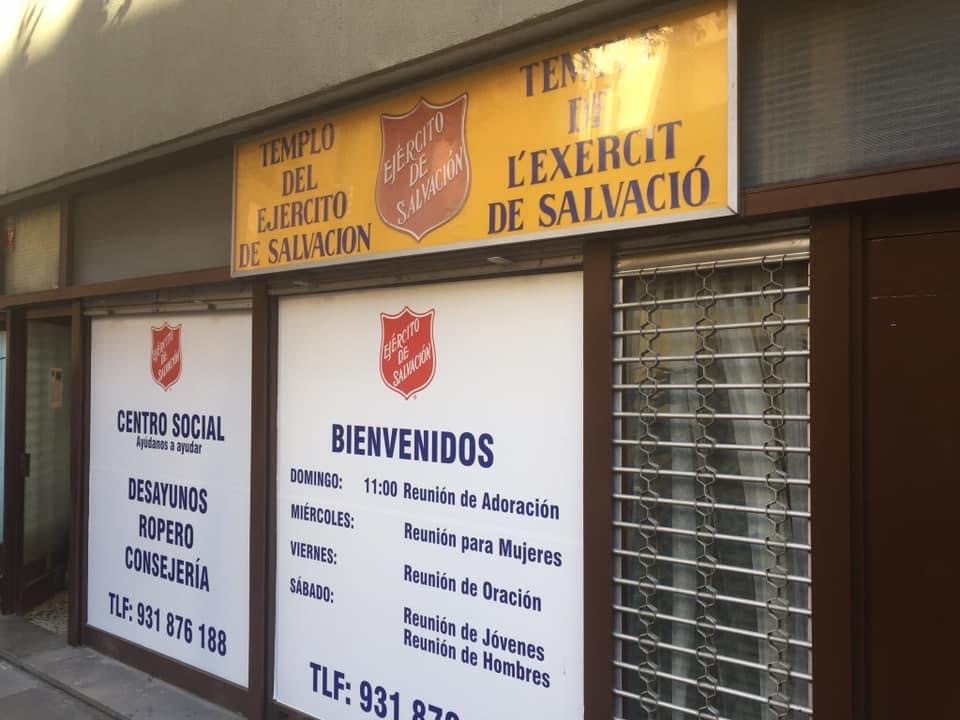
Tucked away in a rabbit warren of side streets in this Barcelona community is a small Salvation Army church. At first glance, it’s fairly unremarkable. But visit early in the morning, as I did during a 2017 conference elsewhere in the city, and its vital role in serving the locality is laid bare.
Dozens of the city’s homeless population were already waiting outside as I arrived a few minutes before opening time. Inside, today and every day, the small team is preparing scores of sandwiches and pastries, and getting ready to serve gallons of hot drinks.
With military precision, the doors are flung open as the bells of a neighbouring church chime. There’s a good-natured vibe as the men, women and occasional straggly dog flock in.
The church leaders make sure to speak to every attendee individually. There is a register, so that it’s possible to identify any regulars who aren’t there in case they might have any extra needs to check up on. And it’s immediately clear this isn’t just about free food. The electrical sockets are in constant use, recharging battered mobile phones. The toilet facilities are particularly appreciated, with hot water and soap. But mainly it’s an opportunity to sit down somewhere comfortable and chat, without being moved on. A safe space. A sanctuary in its purest form. The attendees were keen to talk to me about what this place meant to them.
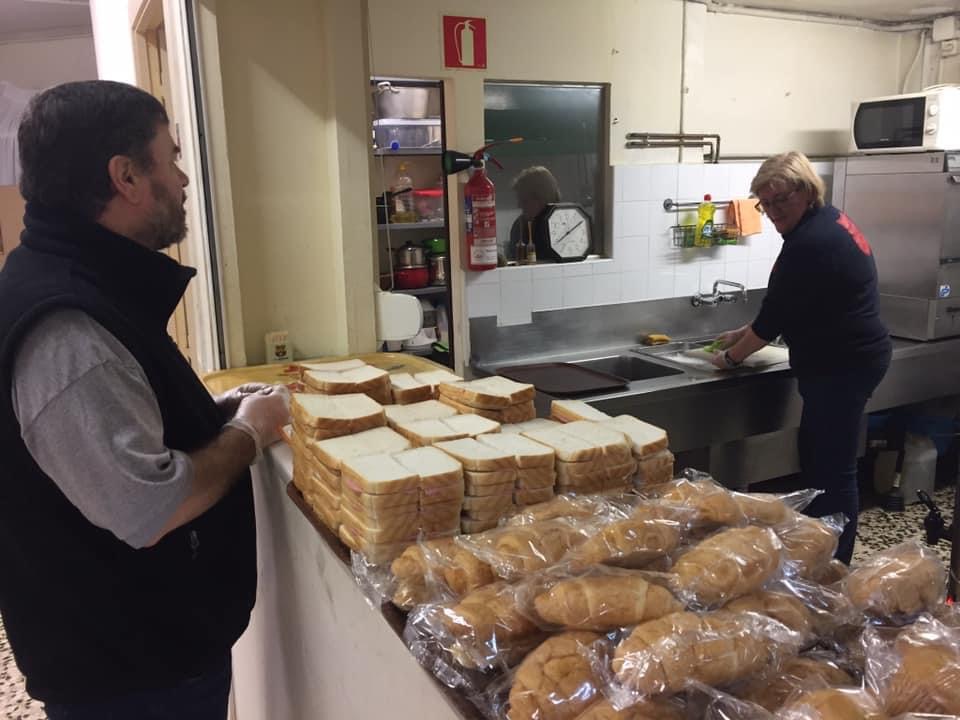
This is ‘just’ a church – it’s not a fully fledged social services centre. There are no special facilities. But it’s exactly what I have come to appreciate most about The Salvation Army. Identifying a local need, often among society’s most vulnerable and ostracised people, and doing something practical about it. And it happens in, at last count, 132 countries – most commonly in very local and low key settings like this.
No judgment. No strings attached. Just demonstrable love and care. Christianity with its sleeves rolled up.
Gracias Gracia.
 David Giles Communications